
Introduction
Cosmetic packaging is far more than a simple container. It is the first touchpoint between your brand and consumers, directly conveying brand value, philosophy and positioning.
In the global beauty market, two mainstream aesthetics dominate shelf display and social media exposure: minimalist packaging and classic luxury packaging. Many brand founders struggle to choose between them. Some brands even blend the two styles to create quiet luxury.
This article breaks down the core traits, suitable brand profiles, pros and cons, and real brand cases of both directions, helping you pick packaging that truly matches your brand identity.
1. Core Definition & Visual Features
Minimalist Cosmetic Packaging
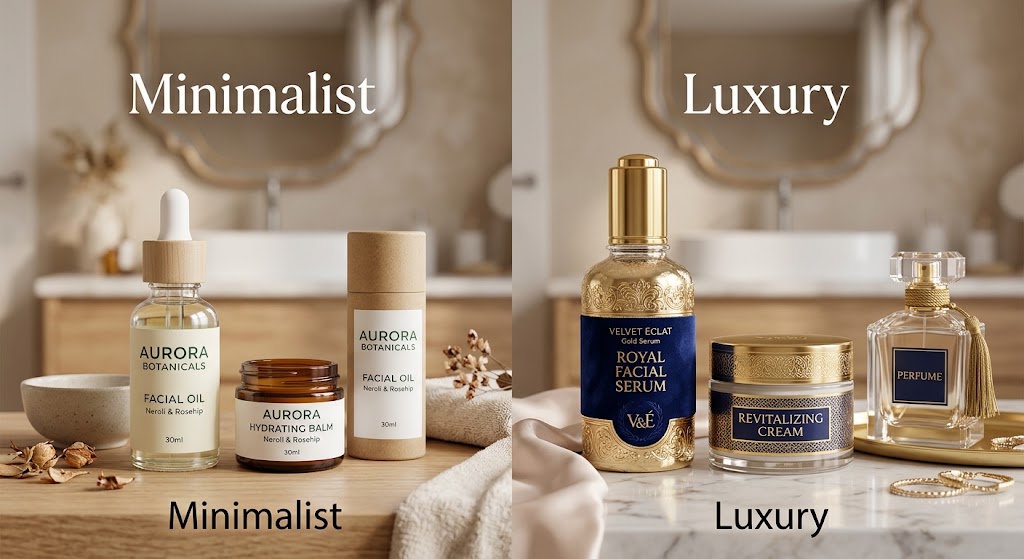
Minimalism follows the philosophy of “less is more”. It removes redundant decorative elements and focuses on clean layout, ample white space, restrained color palette and premium tactile materials. Typography is concise; logos are usually subtle rather than oversized. Common materials include frosted glass, matte plastic, kraft paper and simple rigid boxes. Finishes avoid excessive craftsmanship. Neutral tones — off-white, beige, charcoal, amber — are widely adopted. This style highlights formula efficacy, ingredient transparency, scientific formula or eco-friendly concepts.
Typical Cases
Aesop uses iconic amber glass bottles with small black texts, no flashy ornaments. The Ordinary adopts straightforward text marking and transparent bottles to emphasize ingredient concentration and scientific honesty. Glossier applies soft pastel tubes and simple packaging to deliver approachable modern beauty.
Luxury Cosmetic Packaging
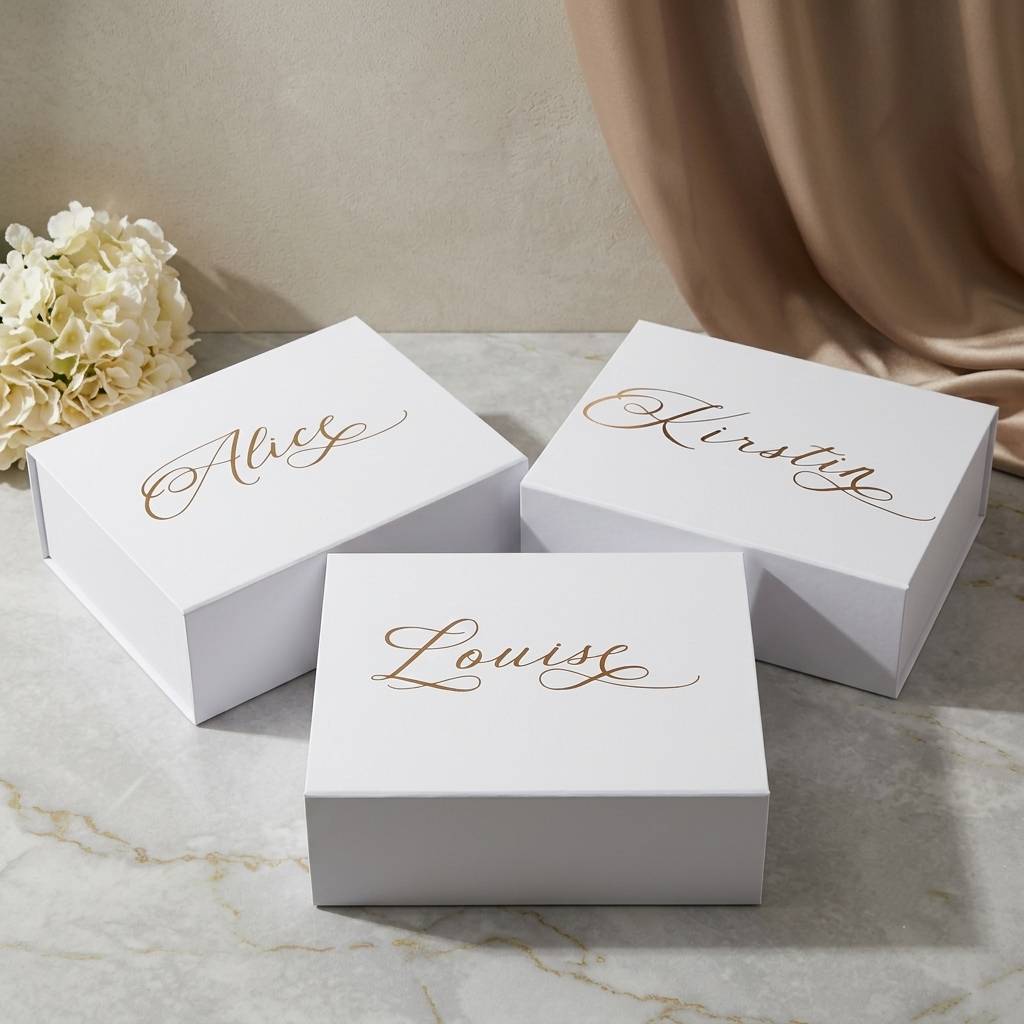
Traditional luxury packaging builds premium ritual sense through layered design, sophisticated craftsmanship and high-end materials. It pursues a memorable unboxing experience. Gold/silver foil stamping, embossing, spot UV, custom inserts, thick rigid gift boxes, crystal, metal ornaments are frequently applied. Color palettes include deep black, burgundy, champagne gold and pearl white. Every detail aims to deliver exclusivity, nobility and sensory enjoyment. Luxury packaging treats skincare and makeup as a luxurious self-care ritual.
Typical Cases
CHANEL, Dior and La Mer are representatives. Thick gift boxes, custom embossing, heavy glass jars and elegant customized accessories strengthen noble brand heritage. Limited-edition luxury cosmetics further upgrade packaging artistry and collectible value.
2. Brand Identity Match Guide
When Minimalism Is Your Best Choice
Choose minimalist packaging if your brand falls into these positioning:
✅ Clean beauty, natural skincare, eco-conscious brand with refillable & recyclable packaging
✅ Clinical, dermatological, ingredient-focused skincare, emphasizing formula transparency
✅ Mid-premium or direct-to-consumer brand targeting young, rational consumers
✅ Brands pursuing modern, quiet luxury, avoiding over-marketing
✅ Budget-friendly clean beauty that wants to reduce packaging waste and production cost
Strengths
- Strong shelf differentiation among crowded colorful cosmetic products
- Lower material & printing cost compared with heavy luxury boxes
- Easy to highlight sustainability claims
- Good social media performance for clean aesthetic short videos & flat lays
- Timeless design, less likely to become outdated quickly
Limitations
- Simple design may be misread as low-end if material quality is poor
- Hard to create strong gift-giving and collectible value
- Higher requirement on material texture: cheap matte plastic ruins premium perception
When Luxury Packaging Works Better
Luxury packaging fits these brand identities:
✅ High-end anti-aging skincare, premium perfume, luxury makeup targeting high-net-worth clients
✅ Heritage brand with long history and noble brand story
✅ Gift-oriented product line, holiday limited editions and bridal beauty sets
✅ Brands selling “self-care ritual”, sensory experience and exclusive privilege
✅ Premium products with high unit price, where unboxing experience is part of product value
Strengths
- Powerful premium perception, supports high price positioning
- Excellent gift & collection value, drives seasonal and gifting sales
- Rich tactile and visual experience, strengthens brand memory
- Ideal for offline luxury counters and high-end retail environment
Limitations
- Higher MOQ, expensive materials and complex craftsmanship raise production cost
- Heavier packages increase shipping cost and carbon footprint
- Complex over-decoration may conflict with eco-trend
- Risk of outdated decorative styles, limited reusability
3. The Rising Trend: Quiet Luxury Packaging
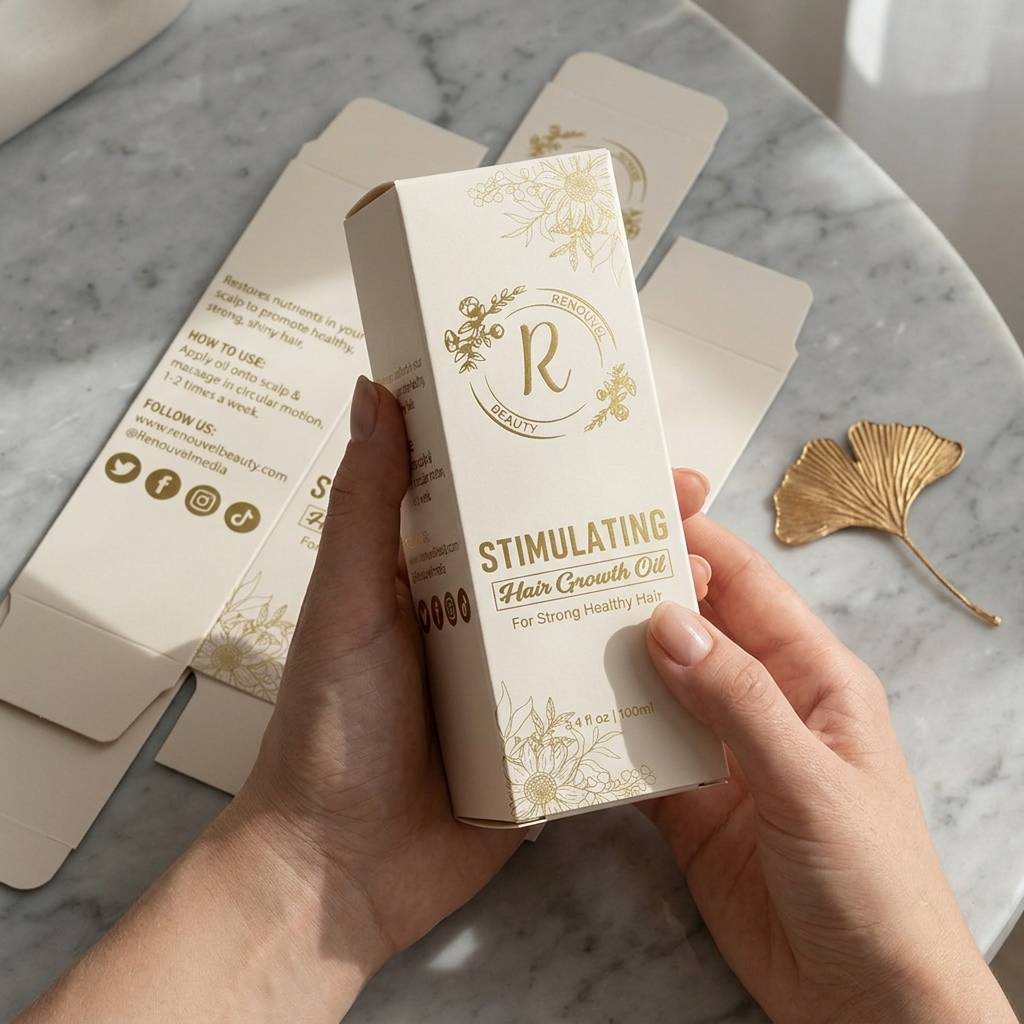
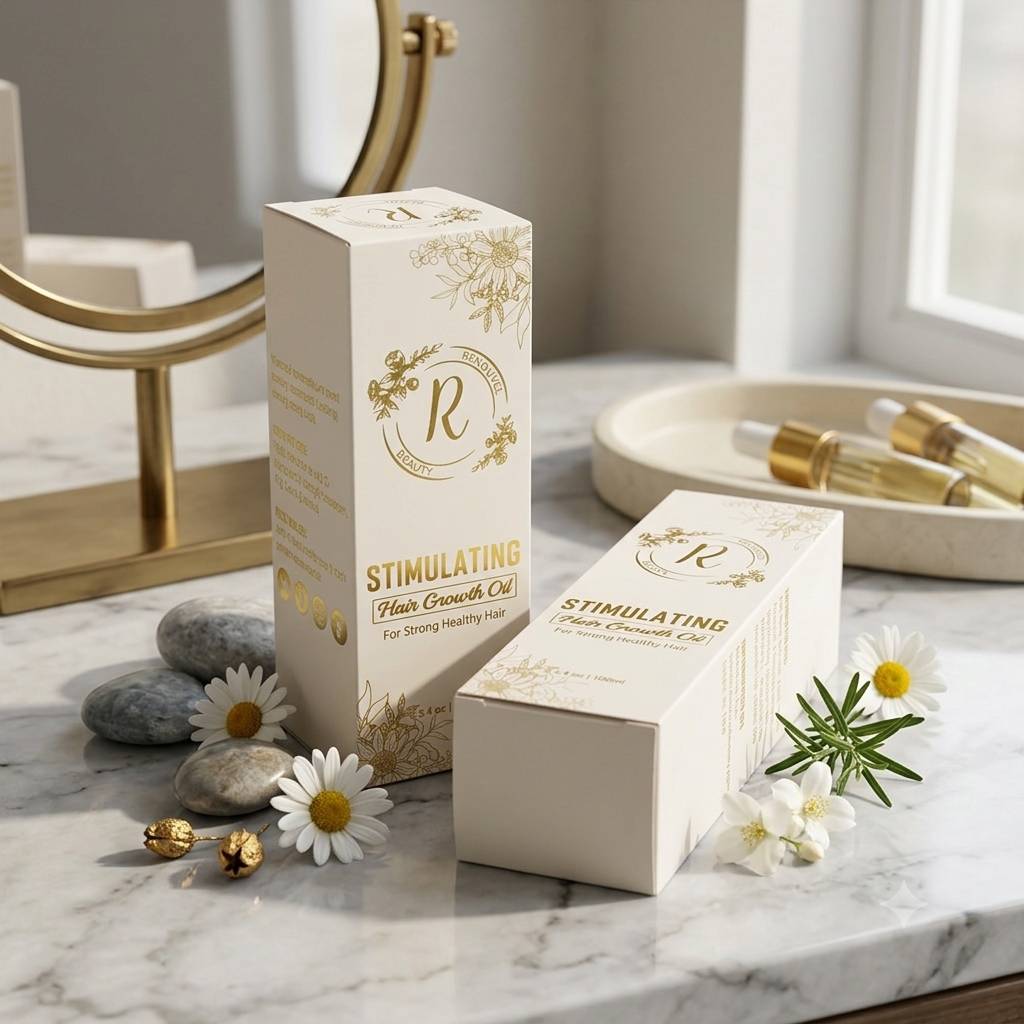
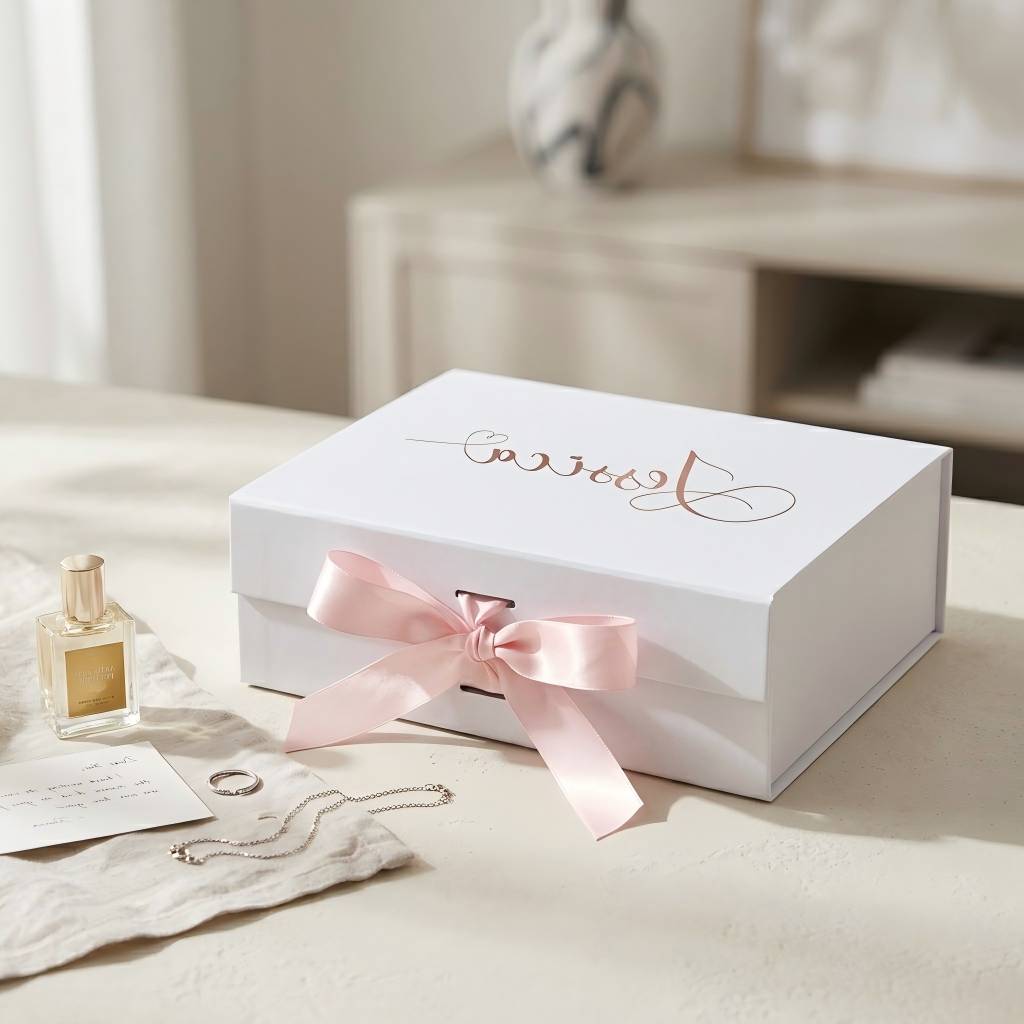
Nowadays, the boundary between minimal and luxury packaging is blurring. “Quiet luxury” becomes a popular hybrid solution. It adopts simple outline and large blank space from minimalism, paired with high-grade materials and subtle delicate craftsmanship, such as matte frosted glass with faint hot stamping. It does not rely on complicated ornament, but conveys premium quality through texture. This style suits most modern mid-to-high-end cosmetic brands, balancing sustainability, premium feel and cost control.
4. Checklist to Make Your Final Decision
Answer these questions before confirming packaging style:
- What is your core target audience? Are they rational ingredient buyers or consumers chasing luxury ritual & gift experience?
- What is your price range? High price can bear luxury packaging cost; mass clean beauty prefers minimal design.
- What is your brand core message: efficacy & transparency, or heritage, ritual and exclusivity?
- Main sales channel: e-commerce & social media, or offline luxury counter and gift market?
- Sustainability commitment: do you need recyclable, refillable and less plastic packaging?
Conclusion
There is no absolute better style between minimalist and luxury cosmetic packaging. The best packaging is the one consistent with your brand identity. Minimalism speaks honesty, purity and sustainability. Classic luxury tells stories of nobility, ritual and exclusivity. Many successful modern beauty brands choose quiet luxury as a balanced route. Always align packaging design with your brand story, target consumers and commercial strategy. Your package is the silent salesman of your cosmetic brand.