
Custom Packaging Printing Process
Die-cutting dan embossing berasal dari pencetakan letterpress, memanfaatkan cetakan untuk memotong bahan menjadi berbagai bentuk, designs, and patterns. This technique is instrumental in telling brand stories and enhancing the consumer experience.
Die-cutting and embossing, also known as die-cut molding or creasing, are techniques used in packaging and printing. When packaging boxes need to be cut into specific shapes, die-cutting and embossing processes are employed.
Die-cutting involves using steel blades arranged in a mold (or engraved on a steel plate) to cut paper into specific shapes on a die-cutting machine. The hollowed-out portions, which are the main display areas of the packaging, are created using die-cutting techniques, adding personalized decorations to the overall packaging.
Embossing utilizes steel wires to create impressions or leave grooves on paper, allowing for bending and folding. When die-cutting and embossing processes are performed simultaneously on a die-cutting machine, it is referred to as die-cut embossing or simply embossing.
Karakteristik: Die-cutting and embossing techniques enable the creation of unique shapes, enhancing the expressive capabilities of packaging designs.
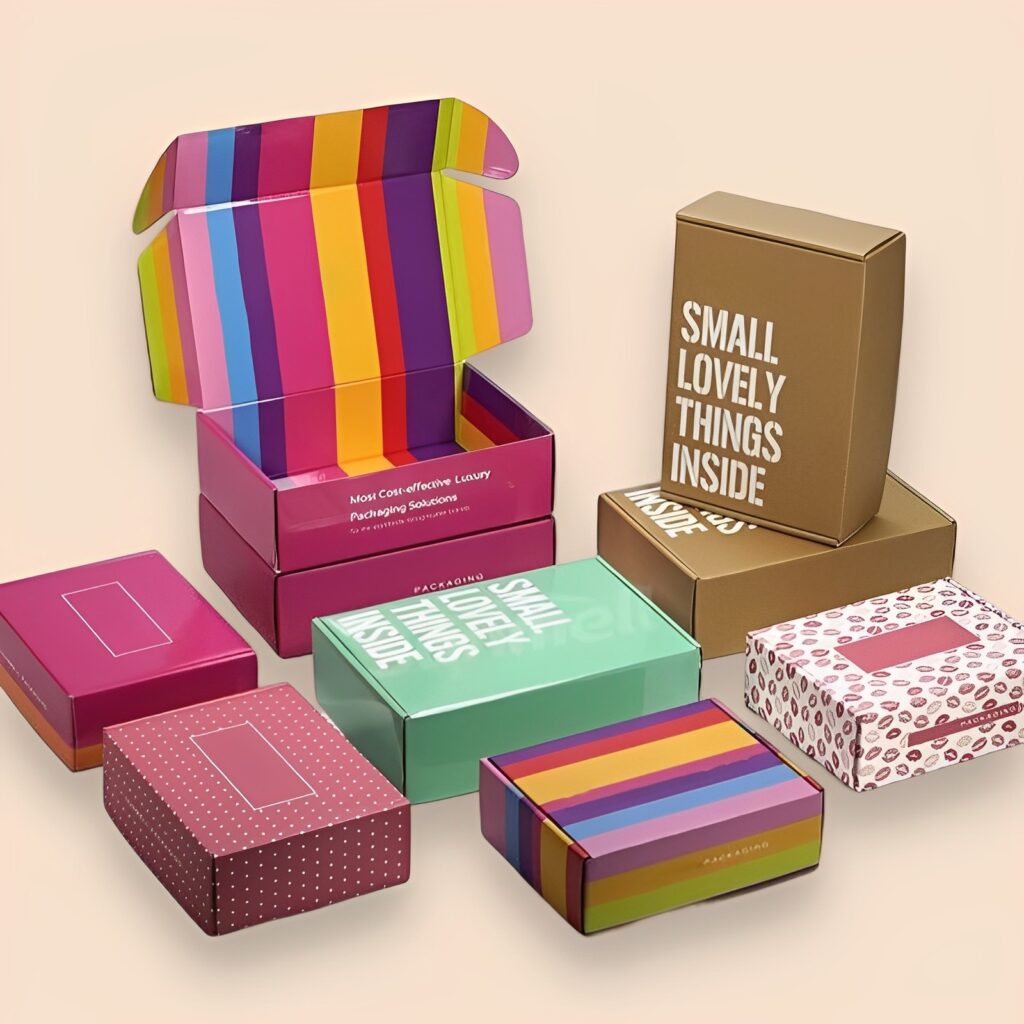
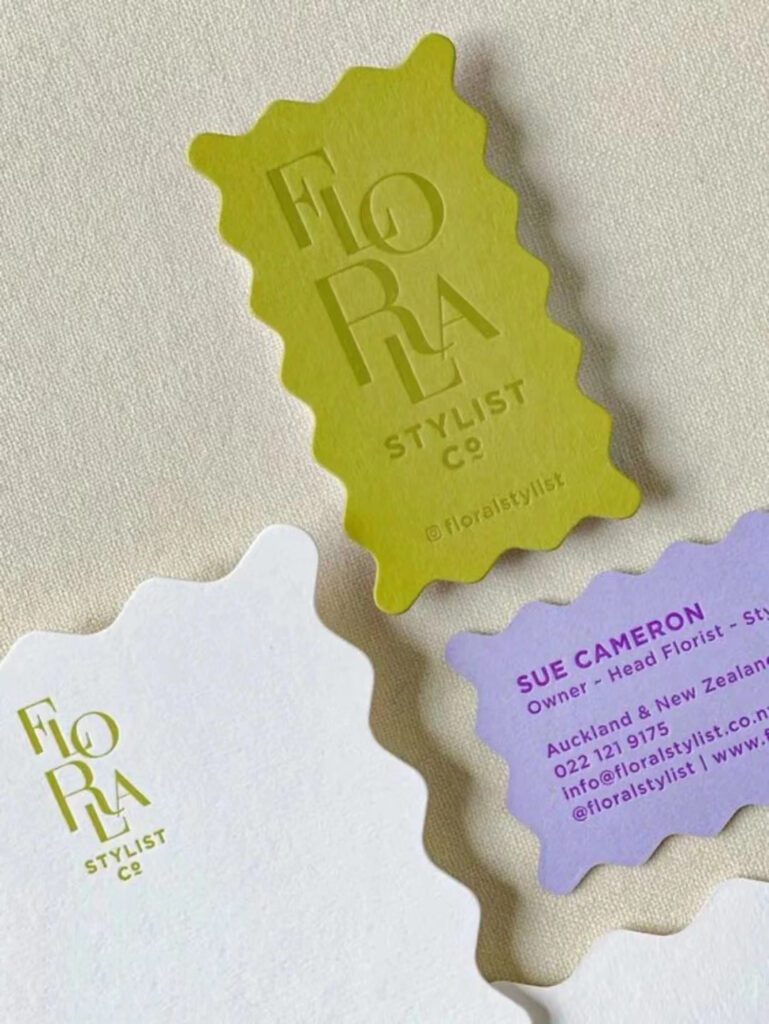
Multiple forms of die-cutting and creasing processes
Flat Cutting/Edge Trimming
Depending on the paper characteristics and design requirements, materials can be directly cut to achieve the desired shapes. Skillfully employing flat cutting/edge trimming techniques can highlight the artistic sense of packaging.
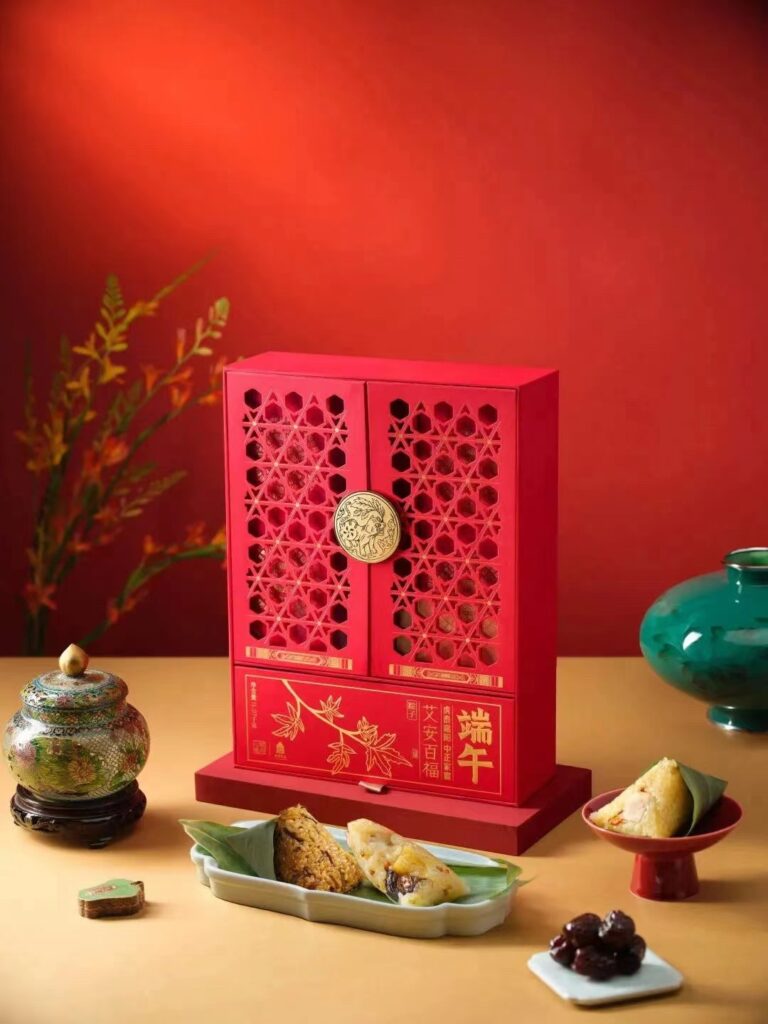
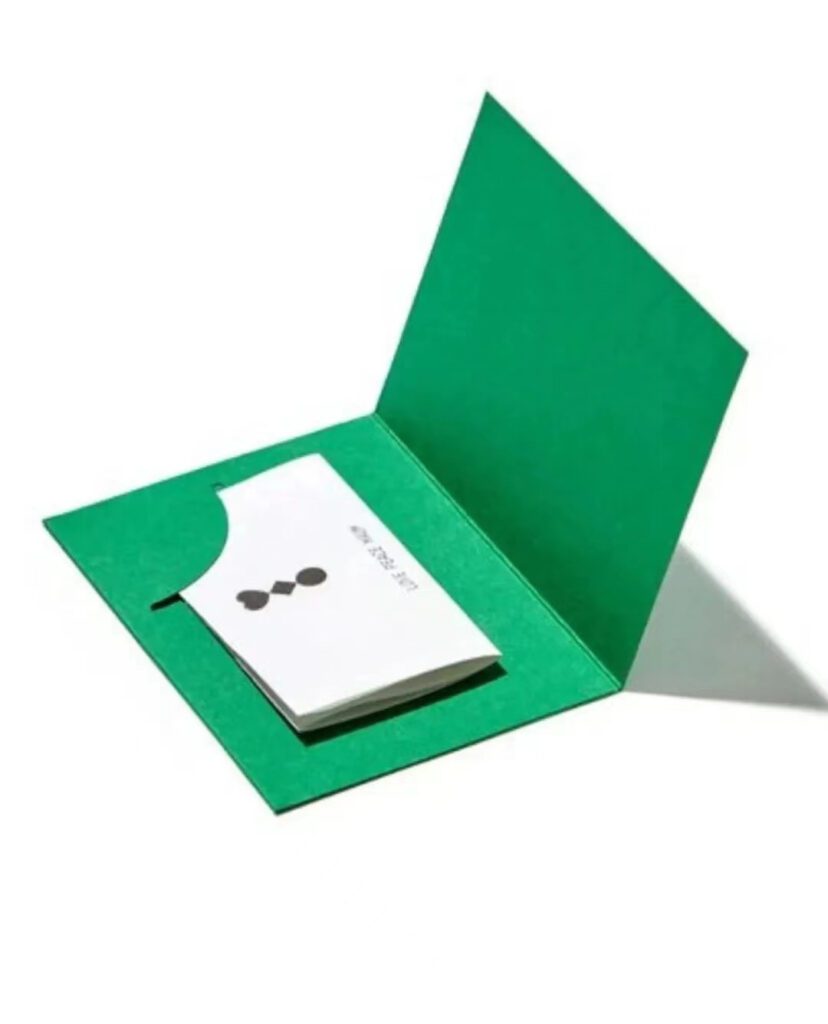
Die-cutting with Windows/Cutouts
Cutting inside the paper to create layers on a single sheet, pemotongan mati dengan jendela atau potongan meningkatkan kualitas tiga dimensi kemasan. Teknik ini merupakan salah satu bentuk die-cutting yang paling umum digunakan dalam kemasan, menambah kedalaman dan daya tarik visual pada keseluruhan desain.
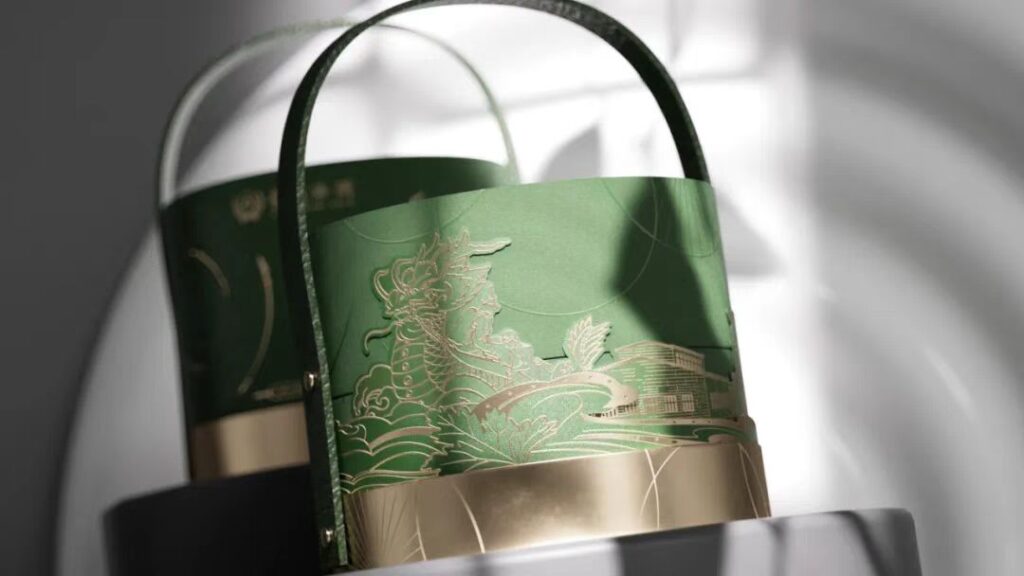
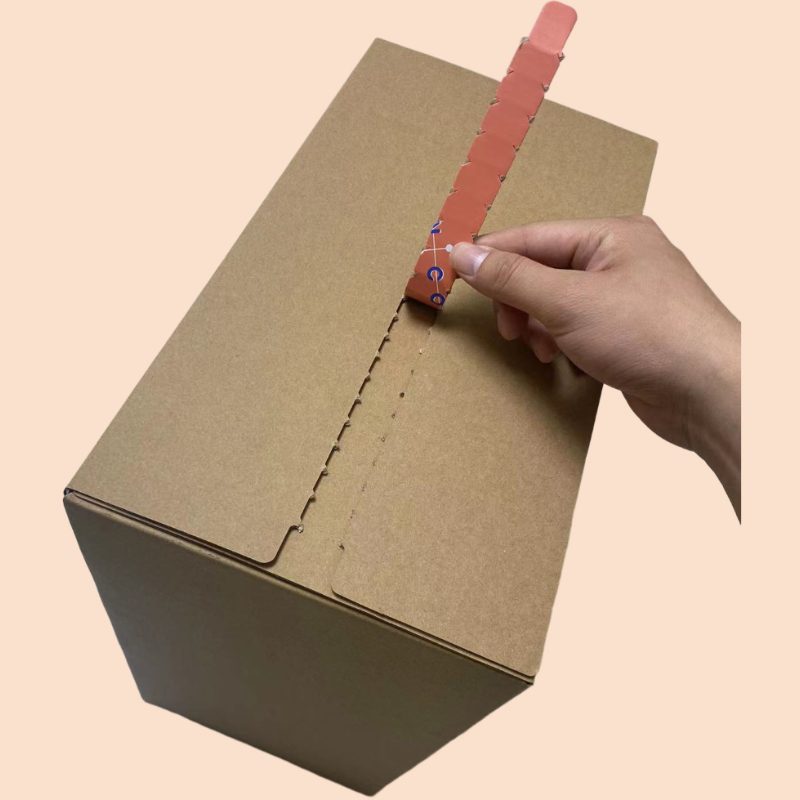
Garis Skor
Membuat tanda potong titik-titik atau putus-putus pada area tertentu, garis skor memudahkan robek saat dibutuhkan. Garis skor tersedia dalam dua jenis: garis putus-putus dan putus-putus. Kertas tampak terpotong sebagian, memungkinkan untuk mudah merobek atau memotong sepanjang garis. Susunan garis-garis yang teratur ini memberikan kepraktisan dan kesan desain.
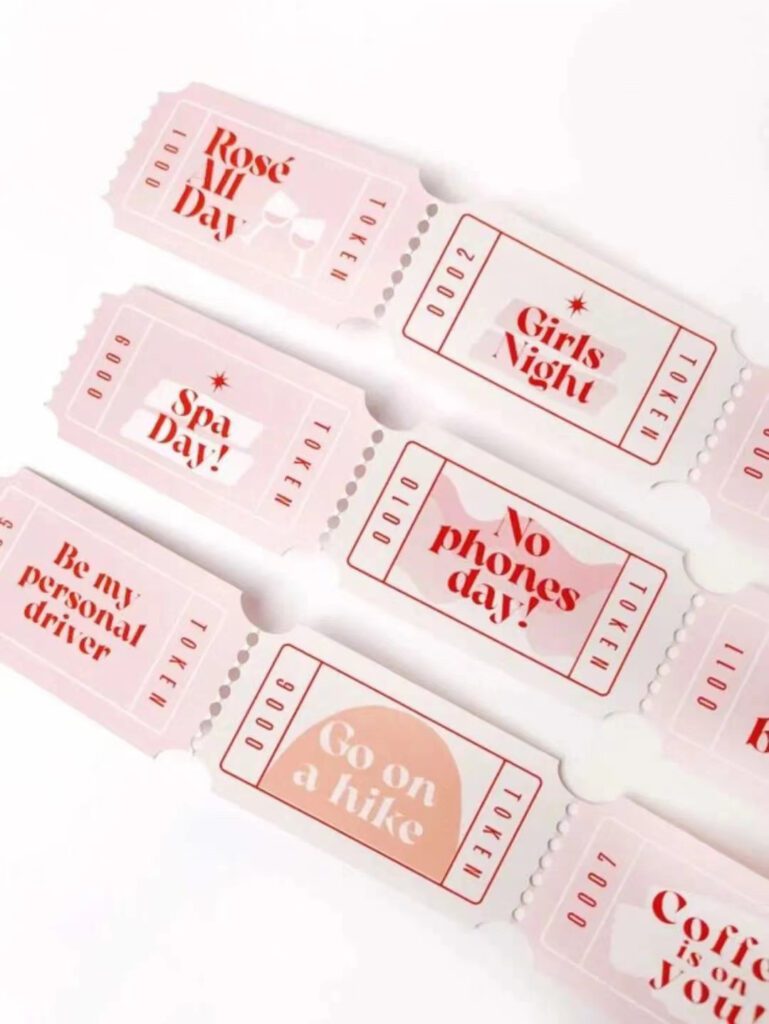
Garis Lipat
Garis lipatan dibuat dengan menetapkan garis lipatan pada bahan. Ada lipatan satu garis, lipatan garis ganda, dan lipatan dua arah. Kertas yang lebih tipis biasanya menggunakan lipatan satu baris, sedangkan kertas yang lebih tebal memerlukan lipatan garis ganda. Multiple folds and bi-directional folds are commonly used for accordion-style pages and brochures.
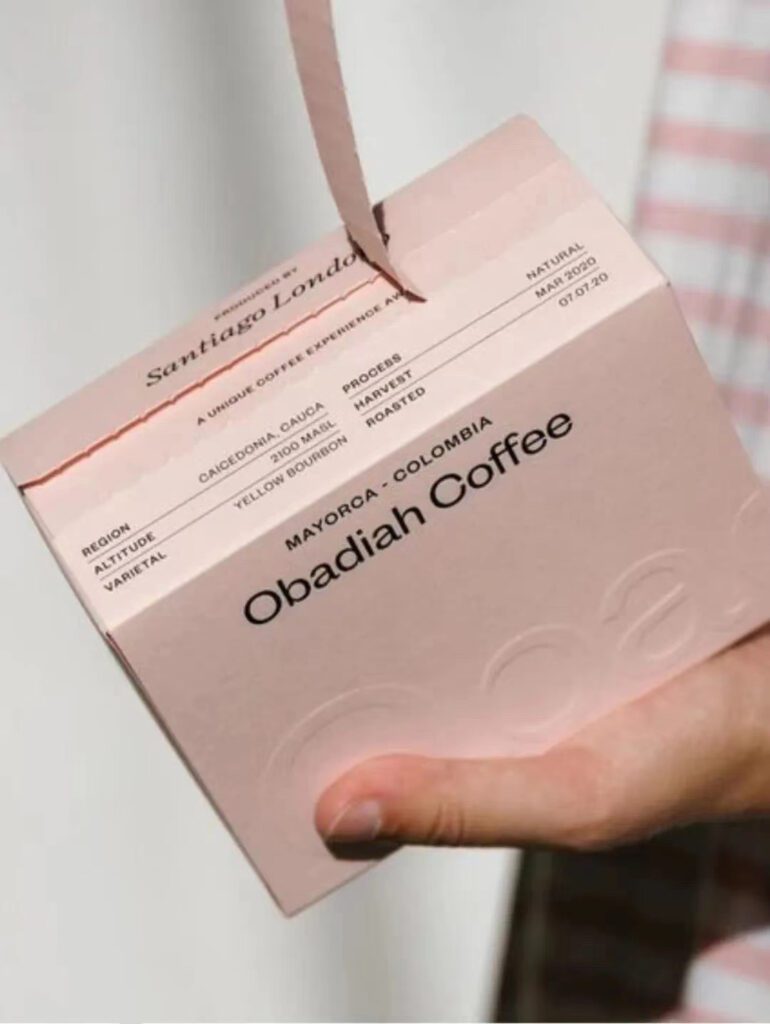
Tear line
Tear line involve creating a series of small notches, allowing for easy tearing. These are commonly used for packaging seals and provide an engaging opening method. Tear line are designed to be easily torn along the perforations, offering both practicality and a sense of design due to their orderly and well-spaced arrangement.
Die-cutting and embossing techniques have transformed the traditional linear or flat forms of printed materials, allowing various print packaging to present in three-dimensional and curved shapes. This method creates aesthetically pleasing and exquisite shapes and designs, filled with creative intelligence. Die-cutting and embossing enhance the visual appeal of printed packaging products, contributing to the improvement of packaging quality.