
The Armour of Elegance: Demystifying Packaging Lamination
Have you ever run your fingers over a high-end product box and noticed that silky-smooth, premium finish, or a deep, fingerprint-resistant matte texture?
That luxurious tactile sensation isn’t just an accident—it is the result of one of the most crucial finishing touches in box manufacturing: packaging lamination. Beyond just looking stunning, lamination acts as a protective shield, ensuring your custom boxes survive the rigors of shipping while looking immaculate on the customer’s doorstep.


Definition
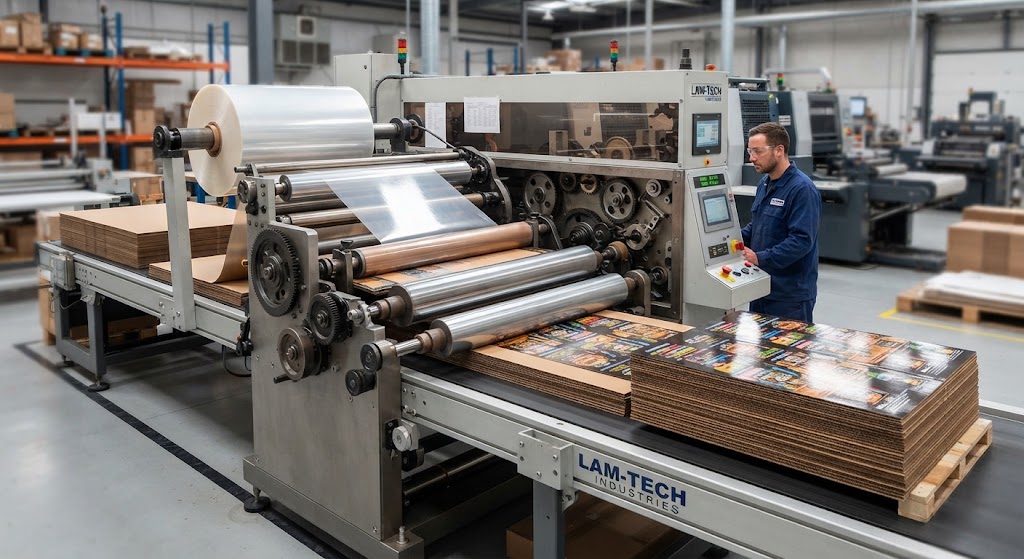
Lamination, also known as glazing, refers to the post-press processing technique where a transparent plastic film is laminated onto the surface of printed materials through heat and pressure, creating an integrated print and plastic processing technology. Lamination not only gives the packaging a smooth appearance but also helps prevent scratches and other damages.
Features
The protective nature of lamination enhances the toughness of printed materials, safeguarding the printed colors and preventing abrasions and scratches.
Classification
Based on different lamination effects, commonly used films in daily printing and packaging include matte film, glossy film, scratch-resistant film, holographic film, and touch-sensitive film, among others. Matte film and glossy film are the most common ones. Matte film adds a sense of luxury to the packaging with its non-reflective matte finish, while glossy film makes the packaging more vibrant, enhancing its visual appeal.


Matte or Glossy
Matte
Advantages
Matte lamination reduces glare and ensures the protection of packaging design, eliminating reflections from any angle. The matte surface treatment adds a certain level of richness and sophistication to the packaging, helping products stand out on the shelves.
Another benefit of matte lamination is its ability to conceal minor defects in the packaging material and enhance the tactile experience of the packaging. This is particularly useful for materials made from recycled packaging or custom packaging that must endure rough handling.
Disadvantages
While it softens colors, it can make them appear dull and reduce the vibrancy of images on the packaging. Additionally, it is not as durable as glossy film and is more susceptible to scratches.
In summary, matte lamination is an ideal technique when a textured and understated appearance is desired.


Glossy
Advantages
One of the major advantages of glossy lamination is its ability to enhance the vibrancy of colors and the quality of images on the packaging material, making them appear more vivid and lively. If a brand aims to convey a brighter, youthful feeling, glossy lamination is an ideal choice. Glossy lamination also possesses characteristics such as abrasion resistance, scratch resistance, and moisture resistance. These features make glossy lamination an ideal solution for high-end food packaging, cosmetic packaging, and game packaging.
Disadvantages
Under certain lighting conditions, its reflective nature can make reading text or capturing images of the packaging difficult. Glossy lamination is also more prone to displaying fingerprints and smudges compared to matte lamination. Therefore, the choice of primary colors is crucial in packaging design; lighter colors show fewer fingerprints.


Matte vs. Gloss Lamination: Choosing Your Brand’s Vibe
What kind of personality does your packaging project? Let’s compare the two titan styles of box lamination:
| Lamination Style | Visual & Tactile Vibe | Ideal Brand Application |
| Matte Lamination | Soft, velvety, low-glare, sophisticated, and modern. | Luxury cosmetics, minimalist jewelry, high-end tech accessories. |
| Gloss Lamination | High-shine, vibrant colors, reflective, and eye-catching. | Retail food boxes, colorful toy packaging, vibrant gift cartons. |
3 Major Reasons Lamination is a Game Changer for Independent Brands
1. Ultimate Protection Against Moisture and Wear
A thin, transparent plastic film (opp film) is thermally bonded to the paper stock, creating an impervious barrier against fingerprints, oil, moisture, and scuffs. Your box arrives looking just as pristine as it did when it left the factory floor.
2. Intensifying Color Depth and Print Contrast
Lamination dramatically enhances ink vibrancy. Gloss lamination makes colors pop with wet-look brilliance, while matte lamination mutes harsh reflections to create a deep, high-fashion aesthetic that screams quiet luxury.
3. Elevating the Tactile Unboxing Experience
Unboxing is a multisensory journey. The velvety touch of a matte-laminated gift box adds an extra layer of psychological satisfaction, making your customers feel like they are holding a precious piece of art rather than standard cardboard.
Ready to Give Your Packaging the Ultimate Finish?
Choosing the right lamination technique bridges the gap between standard cardboard and a breathtaking brand statement. By protecting your surfaces and amplifying your visual design, lamination ensures your independent brand wins right out of the box.
Contact our team today to explore custom matte, gloss, and soft-touch lamination options tailored for your brand’s unique packaging!